کاربرد فناوری نانو در مهندسی عمران
فناوري نانو چيست؟
فناورينانو واژهاي است كلي كه به تمام فناوريهاي پيشرفته در عرصه كار با مقياس نانو اطلاق ميشود. معمولاً منظور از مقياس نانوابعادي در حدود 1nm تا 100nm ميباشد. (1 نانومتر يک ميليارديم متر است).اولين جرقه فناوري نانو (البته در آن زمان هنوز به اين نام شناخته نشده بود) در سال 1959 زده شد. در اين سال ريچارد فاينمن طي يك سخنراني با عنوان «فضاي زيادي در سطوح پايين وجود دارد» ايده فناوري نانو را مطرح ساخت. وي اين نظريه را ارائه داد كه در آيندهاي نزديك ميتوانيم مولكولها و اتمها را به صورت مسقيم دستكاري كنيم.
واژه فناوري نانو اولين بار توسط نوريوتاينگوچي استاد دانشگاه علوم توكيو در سال 1974 بر زبانها جاري شد. او اين واژه را براي توصيف ساخت مواد (وسايل) دقيقي كه تلورانس ابعادي آنها در حد نانومتر ميباشد، به كار برد. در سال 1986 اين واژه توسط كي اريك دركسلر در کتابي تحت عنوان : «موتور آفرينش: آغاز دوران فناورينانو»بازآفريني و تعريف مجدد شد. وي اين واژه را به شكل عميقتري در رساله دكتراي خود مورد بررسي قرار داده و بعدها آنرا در کتابي تحت عنوان «نانوسيستمها ماشينهاي مولكولي چگونگي ساخت و محاسبات آنها» توسعه داد.
خلاصه
در سال 1870 يک شيميدان بلژيکي با نام دسمت(Desmedt) اولين سنگفرش آسفالت واقعي را، که مخلوطي از ماسه بود، در برابر تالار شهر در نيويورک ايجاد نمود. طراحي دسمدت در بزرگراهي در فرانسه در سال 1852 مورد الگوبرداري قرار گرفت. سپس دسمدت خيابان پنسيلوانيا در واشينگتن را آسفالت کرد که سطح اين پرژه 45149 متر مربع بود.يکي از نمايندگان محلي کنگره به دسمدت گفت: ”اين کار هرگز عموميت نخواهد يافت.“ با اين حال، بر اساس تقاضاي رو بهرشد بازار، پيشبيني ميشود پس از 137 سال (در سال 2007) بازار آسفالت- قير معدني به 107 ميليون تن برسد. در اين ميان آسفالت معلق بيشترين رشد را دارد. همچنين به عنوان نشانهاي از رشد اين محصولات در آينده، چندي است كه کار بر روي آسفالتي که در موقع خرابي خودش را تعمير کند، آغاز شده است. به کارگيري فناوري نانو در ساخت زيربناهاي مربوط به حمل ونقل، تقريباً معادل با تلاش بشر براي فرستادن انسان به ماه در سال 1960 است.
تاريخچه
در سال 1870 يک شيميدان بلژيکي با نام دسمت(Desmedt) اولين سنگفرش آسفالت واقعي را، که مخلوطي از ماسه بود، در برابر تالار شهر در نيويورک ايجاد نمود. طراحي دسمدت در بزرگراهي در فرانسه در سال 1852 مورد الگوبرداري قرار گرفت. سپس دسمدت خيابان پنسيلوانيا در واشينگتن را آسفالت کرد که سطح اين پرژه 45149 متر مربع بود.يکي از نمايندگان محلي کنگره به دسمدت گفت: ”اين کار هرگز عموميت نخواهد يافت.“
با اين حال، بر اساس تقاضاي رو بهرشد بازار، پيشبيني ميشود پس از 137 سال (در سال 2007) بازار آسفالت- قير معدني به 107 ميليون تن برسد. در اين ميان آسفالت معلق بيشترين رشد را دارد. همچنين به عنوان نشانهاي از رشد اين محصولات در آينده، چندي است كه کار بر روي آسفالتي که در موقع خرابي خودش را تعمير کند، آغاز شده است.
به کارگيري فناوري نانو در ساخت زيربناهاي مربوط به حمل ونقل، تقريباً معادل با تلاش بشر براي فرستادن انسان به ماه در سال 1960 است.در سال 2005 ايده ساخت آسفالتي براي بزرگراهها که بتوانند خودشان را تعمير کنند براي بسياري دور از ذهن به نظر ميرسيد. بنابراين صنعت آسفالت-قير به يک تحول نياز دارد تا مردم بتوانند امکانات فناوري نانو را ديده و مزاياي آن را درک نمايند.
دکتر ليوينگستون، فيزيکدان برنامه تحقيقات زيربنايي پيشرفته در اداره کل بزرگراههاي فدرال (FHWA)، ميگويد: ”آسفالت و سيمان هر دو جزء نانومواد ميباشند. تاکنون ما نتوانستهايم بفهميم که در اين سطح چه اتفاقي ميافتد، اما اين اثرات بر عملکرد مواد تاثير ميگذارند.“
بنا بر گفته ليوينگستون، يک ماده پليمري ساختاري که ميتواند به طور خود به خودي ترکها را اصلاح نمايد، قبلاً توليد شده است. اين پيشرفت قابل ملاحظه با استفاده از يک عامل اصلاح کننده کپسوله شده و يک آغازکننده شيميايي کاتاليستي درون يک بستر اپوکسي ايجاد شده است.
يک ترک در حال ايجاد موجب گسستن ميکروکپسولهاي موجود شده، در نتيجه عامل اصلاحکننده با استفاده از خاصيت مويينگي درون ترک رها ميشود. با تماس عامل اصلاحکننده با کاتاليزور موجود، اين عامل شروع به پليمريزه شدن نموده، دو طرف ترک را به هم ميچسباند.
اين روش ميتواند منجر به توليد آسفالتي شود که ترکهاي خود را اصلاح ميکند. ليوينگستون ميگويد: ”هيچکس نميتواند براي رشد اين فناوري زماني را پيشبيني کند، اما پيشرفت واقعي در حال انجام است و قابليتهاي موجود بسيار هيجانآور ميباشند.“
با اين حال، براي استفادهکنندگان فعلي آسفالت، تصور نبود دستانداز، يا نبود تأخير به خاطر تعميرات آسفالت، بسيار دور از دسترس بوده و نگرانيهاي جدي آنها را برطرف نميسازد.
محيط زيست عامل اصلي تأثيرگذار در فرايند تصميمگيري براي پروژههاي بزرگراه در بسياري از کشورها است. مزاياي يک آسفالت متفاوت براي جادهها از ديدگاه زيستمحيطي و مصرف انرژي، تنها يک بخش مهم از فرآيند تصميمگيري است. ديدگاههاي زيستمحيطي موجب تسريع پيشرفتهاي فني و اجتماعي ميشوند. نيازهاي چندگانه حفاظت از محيط زيست شامل: محدود نمودن انتشار گازهاي گلخانهاي، مصرف کمتر انرژي، کاهش سر و صداي ترافيک و اطمينان از سلامتي و راحتي در رانندگي، اهدافي هستند که به دليل ايجاد مسئوليت مشترک، مهمتر از تمام پيشرفتهاي علمي ميباشند.
يکي از اين اهداف بستن چرخه مواد يا استفاده صد در صدي از مواد قابل بازيافت در ساخت جاده است. صنعت در اين زمينه تجربه زيادي در مورد استفاده از محصولات فرعي در آسفالت به دست آورده است.
مثالهايي از مواد زايدي که در مخلوط آسفالت مورد استفاده قرار گرفتهاند، عبارتند از: تفاله کوره شيشهدمي، خاکستر حاصل از سوزاندن زبالههاي شهري، خاکستر موجود در مراکز توليد برق به وسيله زغال، آجرهاي خرد شده، پلاستيک حاصل از سيمهاي برق قديمي و لاستيک حاصل از تايرهاي کهنه.
با اين حال، استفاده موفقيتآميز از اين محصولات وابسته به تحقيقات کامل در زمينه منابع و ويژگيهاي آنها بوده و معمولاً در سطح پاييني قابل انجام است. در اين حالت امکان بررسي پيوسته عملکرد آسفالت نيز وجود دارد که خود موضوعي مورد بحث است.
با اين حال، مطابق گفتههاي مارك بلشه، مدير آسفالت لاستيک در پروژه آسفالتسازي آرام آريزونا، حمايت عمومي - نه تحقيقات علمي- کليد توسعه صنعت توليد آسفالت با استفاده از محصولات فرعي است.
پرژه آريزونا ارزشي معادل 34 ميليون دلار داشته و در همين سال به پايان خواهد رسيد. اين پروژه تقريباً 70 درصد (185 کيلومتر)آزادراه ناحيه فونيكس را دربرگرفته و آسفالت آن قادر خواهد بود تا مدت طولاني صداي ناشي از اصطکاک را در جاده کاهش دهد.
آسفالتِ داراي لاستيک تنها درصد بسيار کم و تقريباً بياهميتي از درآمد صنعت ساختماني را به خود اختصاص ميدهد، اما بلشه ميگويد که با افزايش رغبت عمومي اين درصد افزايش خواهد يافت.
به عنوان مثال در ژاپن، گروه تحقيقات آسفالت لاستيک (JARRG)، که شامل مجموعهاي از توليدکنندگان تاير و شرکتهاي آسفالتسازي ميباشد، يک اتصالدهنده آسفالت بسيار ويسکوز را توسعه دادهاند که از انبساط و پخش تايرهاي کهنهاي که به صورت بسيار ريز ساييده شدهاند، توليد ميشود. اين اتصال دهنده در مخلوط آسفالت پخش شده و سپس پخته ميشود.اين ماده ميتواند به عنوان يک ماده الاستيک مابين مواد متراکم ديگر عمل نموده و از اين طريق، ارتعاش و صدا را کاهش دهد. بنا بر اعلام JARRG اقبال عمومي به اين محصول بسيار خوب است.
بلشه ميگويد: ”افرادي که در صنعت آسفالت لاستيک درگير بودهاند، همواره سعي کردهاند که آن را به دليل ويژگيهاي مهندسي بسيار عالياش به فروش برسانند. امّا بيش از هر چيز اين محصول به عنوان کاهش دهنده صدا شناخته شده است و در پشت اين قضيه، استقبال عمومي قرار دارد.“
وزارت حمل و نقل آريزونا (ADOT) سه سال پيش يک نوع آسفالت را در بزرگراه سوپر استيشن در ناحيه آريزونا به کار برد. بلشه ميگويد كه به محض اتمام آسفالت اين بزرگراه، ADOT و مسئولين محلي سيل عظيمي از تلفنها و ايميلها را دريافت نمودند که از اشتياق مردم نسبت به اين جاده کمصداتر حکايت داشت.
البته همه چيز آسفالت لاستيک کامل نيست. اين مخلوط باعث ايجاد بخار و بو در فرآيند آسفالت کردن شده، هنوز در مورد قابل بازيافت بودن آن بحث وجود دارد. اين آسفالت نسبت به آسفالتهاي معمول بسيار گرانتر بوده و آسفالتکاراني که تا به حال با اين ماده چسبناک کار نکردهاند، ممکن است در کار کردن با آن، که بايد در يک بازه دمايي معين انجام شود، دچار مشکل باشند.
ممکن است نظر بلشه در مورد نظر عمومي درست باشد، اما روي ديگر سکه اين است که خواست استفادهکنندگان از جاده کمصداتر و در عين حال داراي اثرات زيستمحيطي کمتر، افزايش يافته است. اين امر باعث تمرکز بيشتر تحقيقات بر روي مسائل مربوط به حمل و نقل، از جمله مواد مورد استفاده در جاده شده است.
افزايش عمومي در ميزان حمل و نقل، بار بيشتر بر روي محور، و فشار بيشتر تاير بر روي جاده، تقاضا براي آسفالتهاي قويتر وبادوامتر را افزايش ميدهد. حمل و نقل بيشتر به اين مفهوم نيز ميباشد که ايجاد مشکل در حمل و نقل براي تعميرات جادهاي مطلوب نيست و اين امر موجب ايجاد تقاضاي بيشتر براي تحقيق و توسعه مؤثر ميگردد.

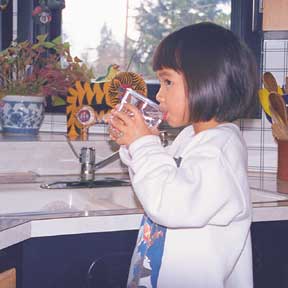 Is it safe for drinking? Can fish and other aquatic life thrive in streams and lakes that are affected by human activities? What is the water quality? To answer these questions, it is helpful to understand what "water quality" means, how it is determined, and the natural processes and human activities that affect water quality.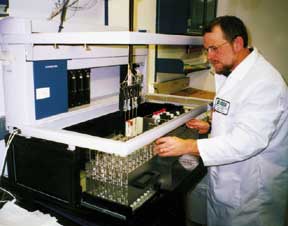
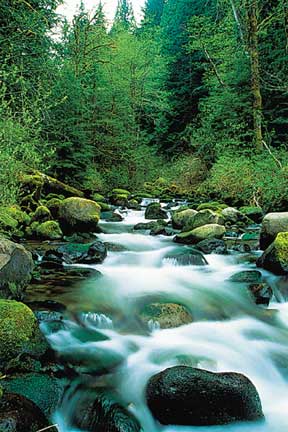
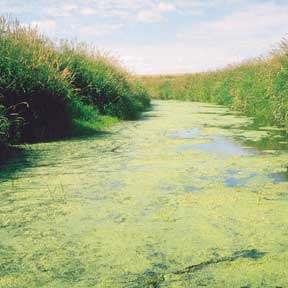 Urban and industrial development, farming, mining, combustion of fossil fuels, stream-channel alteration, animal-feeding operations, and other human activities can change the quality of natural waters. As an example of the effects of human activities on water quality, consider nitrogen and phosphorus fertilizers that are applied to crops and lawns. These plant nutrients can be dissolved easily in rainwater or snowmelt runoff. Excess nutrients carried to streams and lakes encourage abundant growth of algae, which leads to low oxygen in the water and the possibility of fish kills.
 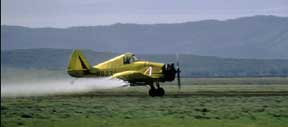 Some pesticides have not been used for 20 to 30 years, but they are still detected in fish and streambed sediment at levels that pose a potential risk to human health, aquatic life, and fish-eating wildlife. There are so many chemicals in use today that determining the risk to human health and aquatic life is a complex task. In addition, mixtures of chemicals typically are found in water, but health-based standards and guidelines have not been established for chemical mixtures.
  Acid rain is a uniquely human-related phenomenon. The burning of fossil fuels (coal and oil) by power-production companies and industries releases sulfur into the air that combines with oxygen to form sulfur dioxide (SO2). Exhausts from cars cause the formation of nitrogen oxides in the air. From these gases, airborne sulfuric acid (H2SO4) and nitric acid (HNO3) can be formed and be dissolved in the water vapor in the air. Although acid-rain gases may originate in urban areas, it is often carried for hundreds of miles in the atmosphere by winds into rural areas. That is why forests and lakes in the countryside can be harmed by acid rain that originates in cities.
 The environment can generally adapt to a certain amount of acid rain. Often soil is slightly
  (due to naturally occurring limestone, which has a pH of greater than 7). Because bases counteract acids, these soils tend to balance out some of the acid rain's acidity. But in areas, such as some of the Rocky Mountains and parts of the northwestern and southeastern United States, where limestone does not naturally occur in the soil, acid rain can harm the environment.
 Acidity in rain is measured by collecting samples of rain and measuring its pH. To find the distribution of rain acidity, weather conditions are monitored and rain samples are collected at sites all over the country. The areas of greatest acidity (lowest pH values) are located in the Northeastern United States. This pattern of high acidity is caused by the large number of cities, the dense population, and the concentration of power and industrial plants in the Northeast. In addition, the prevailing wind direction brings storms and pollution to the Northeast from the Midwest, and dust from the soil and rocks in the Northeastern United States is less likely to neutralize acidity in the rain.
 When you hear or read in the media about the effects of acid rain, you are usually told about the lakes, fish, and trees in New England and Canada. However, we are becoming aware of an additional concern: many of our historic buildings and monuments are located in the areas of highest acidity. In Europe, where buildings are much older and pollution levels have been ten times greater than in the United States, there is a growing awareness that pollution and acid rain are accelerating the deterioration of buildings and monuments.
  By the way, no, you don't need to start wearing a rainhat.
 اميدوارم كه لحظات خوبي در اين وبلاگ داشته باشيد. هدف از ایجاد این وبلاگ افزایش اطلاعات مهندسی و تشویق یادگیری زبان انگلیسی به عنوان لازمه عصر حاضر می باشد. بهترين راه يادگيري زبان خواندن متون لاتين مورد علاقه شما و تكرار است. زيرا زبان فرار بوده و اگر تكرار نشود از يادتان خواهد رفت.